Mikroprądy o specyficznych częstotliwościach (FSM) to metoda kliniczna łącząca stymulację mikroprądową z określonymi parami częstotliwości dostarczanymi dwoma niezależnymi kanałami. Nowoczesna metoda FSM pojawiła się w połowie lat 90. XX wieku, ale jej historia sięga znacznie wcześniej — okresu, w którym elektroterapia była szeroko badana w medycynie.
Ta strona podsumowuje kluczowe wydarzenia i kontekst. Jeśli szukasz literatury klinicznej, przejdź bezpośrednio do sekcji "Opublikowane artykuły".
Krótka oś czasu
Koniec XIX wieku – lata dwudzieste XX wieku: wczesna elektroterapia
Lekarze medycyny i osteopatii w Stanach Zjednoczonych i Wielkiej Brytanii rozpoczęli eksperymenty z terapiami elektrycznymi i częstotliwościami pod koniec XIX wieku. Do 1922 roku tysiące lekarzy używało urządzeń częstotliwościowych do leczenia wielu schorzeń. Badania i metody zostały opisane w książkach i czasopismach, takich jak "Electromedical Digest", a lekarze dzielili się swoimi badaniami, wynikami i wnioskami na spotkaniach takich grup jak Pathometric i Electromedical Societies.
1906–lata 30. XX wieku: regulacja i standaryzacja przyspieszają
Współczesne regulacje federalne dotyczące żywności i leków w USA rozpoczęły się w 1906 r. wraz z uchwaleniem ustawy Pure Food and Drugs Act, która w ciągu kolejnych dziesięcioleci przekształciła się w instytucję znaną jako FDA (później przyjęto nazwę "Food and Drug Administration").
1910 dalej: reformy edukacji medycznej zmieniają krajobraz
Raport Flexnera został sfinansowany w 1910 roku przez wpływowe grupy interesu. Zadeklarował on, że powinno być mniej szkół medycznych, w których uczęszczaliby głównie biali mężczyźni, a medycyna powinna stosować terapię farmaceutyczną jako standard opieki. Terapie elektromagnetyczne, homeopatia, zioła i terapie żywieniowe zostały uznane za oszustwa, lekarze byli prześladowani, a niektórzy nawet trafiali do więzień. Urządzenia i listy częstotliwości przykryto prześcieradłami i trafiły do zaplecza klinik lub na śmietnik. Wraz z wymarciem pokolenia, które opracowało częstotliwości i urządzenia, ostatnie wspomnienia o tej terapii oraz o całym rozwoju, badaniach i wynikach leczenia przepadły.
Lata 30. XX wieku – lata 50. XX wieku: spadek stosowania elektroterapii w praktyce ogólnej
W połowie stulecia wiele form elektroterapii straciło na znaczeniu ze względu na zmiany w praktyce klinicznej, ewolucję technologii i uzależnienie niektórych metod od nadmiernie skomercjalizowanych, "uniwersalnych" urządzeń spoza medycyny.
1946: Harry Van Gelder na nowo odkrywa urządzenie
Zostały zapomniane, dopóki brytyjski osteopata Harry Van Gelder nie otworzył gabinetu w Vancouver w Kolumbii Brytyjskiej w 1946 roku, nie wszedł do zaplecza, nie zdjął prześcieradła z urządzenia z 1922 roku, nie znalazł listy częstotliwości i nie zaczął z nich korzystać w leczeniu pacjentów. Stał się znany w całej Kanadzie i Stanach Zjednoczonych dzięki sukcesom w leczeniu bardzo trudnych schorzeń.
1983: George Douglas przywozi listę do Portland
George Douglas, DC współpracował z Van Gelderem w 1983 roku przez trzy miesiące i przywiózł do Portland listę częstotliwości spisaną na kartkach papieru segregatorowego, którą następnie umieścił w szufladzie biurka.
1995–1997: Niezawodne wyniki i pierwszy kurs FSM
Dr Douglas dołączył do Carolyn McMakin, DC w jej pierwszym roku praktyki w 1995 roku i znalazł listę, gdy przeniósł swoje biurko do gabinetu. Zaczęli stosować częstotliwości u pacjentów z przewlekłym bólem, aplikując je za pomocą dwukanałowego urządzenia mikroprądowego zatwierdzonego przez FDA. Zabiegi okazały się niezwykle skuteczne, a dr McMakin poprowadziła pierwszy kurs FSM w styczniu 1997 roku, aby sprawdzić, czy wyniki są powtarzalne. Gdy stało się jasne, że częstotliwości dają wiarygodne i powtarzalne rezultaty, kursy kontynuowano, opracowano spójne protokoły i rozszerzono zakres leczonych schorzeń. Po tym pierwszym kursie podstawowy kurs FSM wydłużył się z dwóch do pięciu dni, a dziś działa około 5000 praktyków FSM w 23 krajach, uprawnionych do stosowania stymulacji elektrycznej u pacjentów.
2010: Publikacja podręczników i rozwój badań
Podręcznik Frequency Specific Microcurrent in Pain Management został wydany przez Elsevier w 2010 roku. Istnieje 17 recenzowanych artykułów naukowych dokumentujących pozytywne efekty FSM w opisach przypadków i kontrolowanych badaniach klinicznych.
Zasady i uzdrawianie
Metoda FSM wykorzystuje zasady biofizyki oraz efekty rezonansu biologicznego i częstotliwości, które wydają się zmieniać sygnalizację komórkową, a tym samym funkcje komórek, a nawet struktury, takie jak tkanka bliznowata, aby zmniejszyć ból i poprawić funkcjonowanie. Częstotliwości te wydają się przyspieszać gojenie się urazów fizycznych i emocjonalnych, łagodzić bóle nerwowe, bóle fantomowe kończyn, bóle mięśni, stawów, szyi i dolnej części pleców, fibromialgię, półpasiec oraz stany zapalne, takie jak zespół jelita drażliwego, astma i przewlekłe zmęczenie. Metoda FSM nie jest stosowana w leczeniu aktywnych infekcji, nowotworów ani żadnych potencjalnie śmiertelnych schorzeń.
Książka "The Resonance Effect" opisuje rozwój metody FSM, a podręcznik Frequency Specific Microcurrent in Pain Management został wydany przez Elsevier w 2010 roku. Istnieje 17 recenzowanych artykułów naukowych dokumentujących pozytywne efekty metody FSM w postaci opisów przypadków i badań kontrolowanych.
Częstotliwości Harry'ego Van Geldera
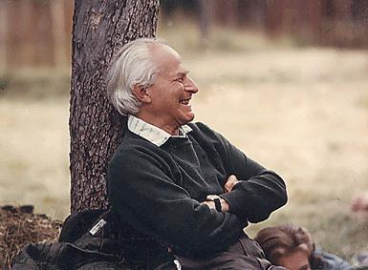
Pod koniec lat 40. XX wieku, po odbyciu służby w II wojnie światowej, Harry Van Gelder, osteopata i naturopata kształcony w Anglii i Australii, kupił mały prywatny gabinet osteopatyczny w Vancouver w Kolumbii Brytyjskiej, wyposażony w jedno z tych wczesnych urządzeń elektromedycznych i listę częstotliwości. Nauczył się samodzielnie obsługiwać urządzenie i stosować częstotliwości, zyskując rozgłos jako skuteczny uzdrowiciel. Używając urządzenia, częstotliwości, manipulacji osteopatycznej, homeopatii i diety, leczył pacjentów z całej Kanady i Stanów Zjednoczonych na dolegliwości od bólu pleców po raka, a jego sława rosła wraz z sukcesem. W 1955 roku przeniósł swój gabinet i rodzinę z powrotem do Australii, a w 1972 roku wrócił do Ojai w Kalifornii, aby dalej praktykować. Używając tych samych narzędzi i osiągając ten sam poziom sukcesu, jego sława rosła, a pacjenci ponownie go odnajdywali z całych Stanów Zjednoczonych i Kanady.
W 1980 roku student chiropraktyki George Douglas usłyszał o praktyce dr. Van Geldera w Ojai i spędził z nim trzy miesiące, ucząc się jego metod. Dr Douglas wrócił do domu z listą częstotliwości i schował ją do szuflady na pamiątkę. Po ukończeniu Western States Chiropractic College w Portland w stanie Oregon w 1983 roku, rozpoczął pracę jako wykładowca w ośrodku zdrowia studenckiego, gdzie poznałam go w 1991 roku, będąc jeszcze studentką trzeciego roku chiropraktyki.
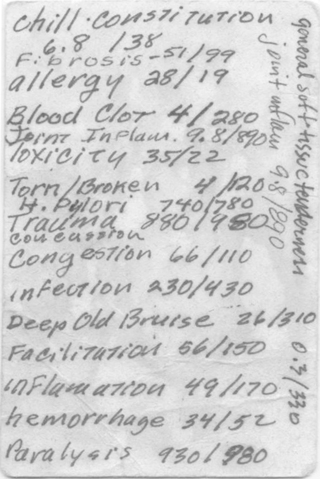
W 1992 roku dr Douglas kupił urządzenie Precision Microcurrent, ponieważ miało ono dwa kanały, podobnie jak przestarzałe urządzenie dr. Van Geldera, i wpadł na pomysł, że mogłoby się ono przydać do dostarczania częstotliwości.
Częstotliwości, których używaliśmy do leczenia naszych przyjaciół i rodziny, były zapisane na odwrocie wizytówki przechowywanej w górnej części urządzenia. Częstotliwości ustawiono na urządzeniu, włączono je, zwilżono rękawice, aby umożliwić prawidłowe przewodzenie niewyczuwalnego prądu, a następnie założono je na szyję pacjenta. Zabieg przyniósł natychmiastowy i całkowicie nieoczekiwany efekt — mięśnie stały się miękkie, prawie jak plastelina. Wyglądało to tak, jakby tkanka zmieniła stan skupienia z ciała stałego w żel. Napięte pasma zniknęły natychmiast, podobnie jak ból pacjenta, a zabieg zakończył się w ciągu 30 minut. W ciągu pięciu lat szkolenia i praktyki w zakresie masażu manualnego i terapii punktów spustowych żadna tkanka nie zmieniła się tak, jak ta. Zaskoczenie i niedowierzanie ustąpiły miejsca ciekawości, gdy efekty okazały się trwałe, a objawy całkowicie ustąpiły po jednym dodatkowym zabiegu.
Od wczesnych urządzeń do nowoczesnego FSM
Urządzenia z początku XX wieku, o których mowa w historii powstania FSM, nie były takie same jak dzisiejsze przenośne systemy mikroprądowe. FSM, w obecnej formie, wykorzystuje prąd o natężeniu mikroamperów i dwa niezależne kanały częstotliwości – struktura ta pozwala praktykom na zastosowanie pary częstotliwości (jeden kanał jest powiązany z tkanką docelową, a drugi z patologią w tkance), jak opisano w materiałach szkoleniowych FSM.
Dlaczego edukacja jest ważna w FSM
Ścieżka rozwoju FSM kładła nacisk na powtarzalność: nauczanie metody, udoskonalanie protokołów i rozszerzanie szkoleń w oparciu o zaobserwowaną spójność między klinicystami. Dlatego FSM opiera się na ustrukturyzowanej edukacji (szkolenie podstawowe, opcje praktyczne i tematy zaawansowane), a nie na prezentowaniu urządzeń.